



A trauma-informed, therapist-collaborative guide to healing travel, nervous-system safety, and meaning-making

Introduction: You’re Not “Too Sensitive” Your Body Is Protecting You
If you’ve lived for years with unexplained tension, shutdown, panic, exhaustion, or a constant feeling that something is “wrong,” you are not broken, and if the thought of travel of airports, unfamiliar beds, and losing your careful routine ,sends your heart racing, that’s not a sign you shouldn’t go. It’s a sign you need to prepare differently. Many trauma survivors reach burnout not because of the trauma itself, but because no one ever explained what their body was doing and why. read more about What Trauma Does to the Brain
Travel can intensify this confusion. Airports, crowds, unfamiliar sounds, loss of routine all of it can activate survival responses that feel frightening or shameful.
And yet, travel can also become one of the most powerful healing experiences of your life when your therapist is part of the preparation.
This article is written for people whose bodies still carry trauma, who feel triggered by travel, and who want clarity, not pressure. It’s also written for therapists so they can become collaborators, not bystanders, in this deeply meaningful journey.

Why This Conversation Matters: Your Therapist as Your Travel Ally
For trauma survivors, travel is not escape , it’s exposure to life.
When you involve your therapist, you turn them into:
- a co-navigator of your nervous system,
- a witness to your courage,
- and a container for meaning-making before and after the trip.
Without this conversation, travel can feel destabilizing.
With it, travel becomes intentional healing.
Key reframe:
This trip isn’t about sightseeing. It’s about teaching my nervous system that the world can be safe again.
A note to therapists reading this with your client: This framework is designed to help you operationalize safety and meaning. Your client’s desire to travel is often a profound expression of their healing impulse to reclaim a world that has felt threatening. By collaborating on this plan, you help them scaffold courage with competence.

The Pre-Trip Collaboration: A Step-by-Step Therapist Checklist
This is the core of the work. Ideally, this happens over multiple sessions.
1. Share Your “Why” Beyond Sightseeing
Invite your therapist into the meaning of the trip:
- Are you seeking rest from chronic hypervigilance?
- Spiritual reconnection?
- A sense of aliveness or wonder?
- Distance from a chapter of pain?
- Reclaiming autonomy or trust in yourself?
Naming this shifts the trip from stressful event to healing container.
2. Map Your Triggers and Early Warning Signs
Together, identify:
- Sensory triggers: noise, crowds, heat, touch, smells
- Relational triggers: authority figures, attention, hospitality pressure
- Environmental triggers: unpredictability, transportation, confined spaces
Include cultural context:
- Call-to-prayer soundscapes
- Busy bazaars
- Physical proximity in public spaces
Most importantly:
👉 What are your early signs of dysregulation?
(Tight chest, irritability, zoning out, urgency to escape.)
Early awareness prevents overwhelm. read more
3. Co-Create a “Travel Nervous-System Toolkit”
This is not about “coping harder.”
It’s about supporting your body the way it needs.
Your toolkit might include:
- Grounding practices. read more here
- Simple breath patterns
- Orientation exercises
- relaxing sounds , scent, texture
- Scripts for boundaries
(You’ll learn how to use these later in the article.)
4. Build Communication and Safety Plans
Clarify together:
- Will you check in during the trip?
- What constitutes an “emergency”?
- Who else is in your support circle?
- What do you do if you feel overwhelmed at night, alone, or in transit?
Knowing there is a plan calms the nervous system preemptively. read more and read how to write your crisis plan
5. Plan for Integration Before You Leave
This is essential.
Schedule:
- A re-entry session
- A longer integration window if possible
Healing travel doesn’t end at the airport it consolidates after.

Why Travel Triggers You (And Why That’s Also the Path to Healing)
Now that the action plan is clear, let’s explain why this collaboration matters.
Decades of trauma research including work by Bessel van der Kolk, Peter Levine, Judith Herman, Stephen Porges, and Pete Walker , shows that trauma primarily lives in the nervous system, not just memory.
What trauma does:
- The body stays alert even when danger is gone
- The brain prioritizes survival over curiosity
- Novelty can feel like threat
- Control feels like safety
Why travel activates symptoms:
- Loss of routine
- Sensory overload
- Unpredictability
- Being “seen” or unfamiliar
But here’s the hopeful part:
Research in trauma-informed therapy, somatic work, and travel psychology shows that safe novelty and awe help the nervous system learn new patterns.
The trigger isn’t failure , it’s information.
When approached with awareness, travel becomes re-patterning.
In short: Travel removes your familiar safety cues, which activates your protective survival system. The goal is not to avoid activation, but to navigate it with new tools, thereby teaching your system that novelty can be safe.

Why Turkey? A Trauma-Informed Lens on the Destination
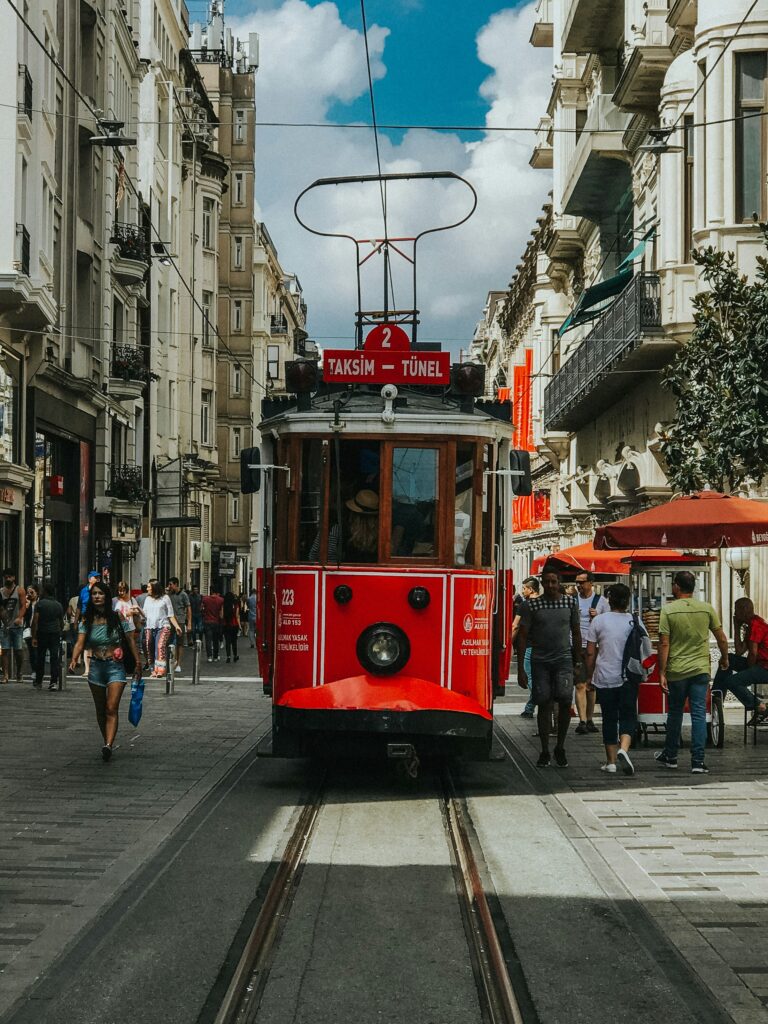
Turkey offers a rare combination of depth, beauty, spirituality, and humanity that can support healing when navigated intentionally.
1. Hospitality as Therapeutic Practice (and Potential Trigger)
Turkish misafirperverlik (hospitality) offers:
- Tea rituals
- Unhurried conversations
- Gentle curiosity
These are micro-moments of safe connection.
Therapist tip:
Discuss how to receive kindness without obligation especially for those with a fawn response.
2. Awe and Ancient History as Nervous-System Medicine
Places like:
- Cappadocia
- Ephesus
- Pamukkale
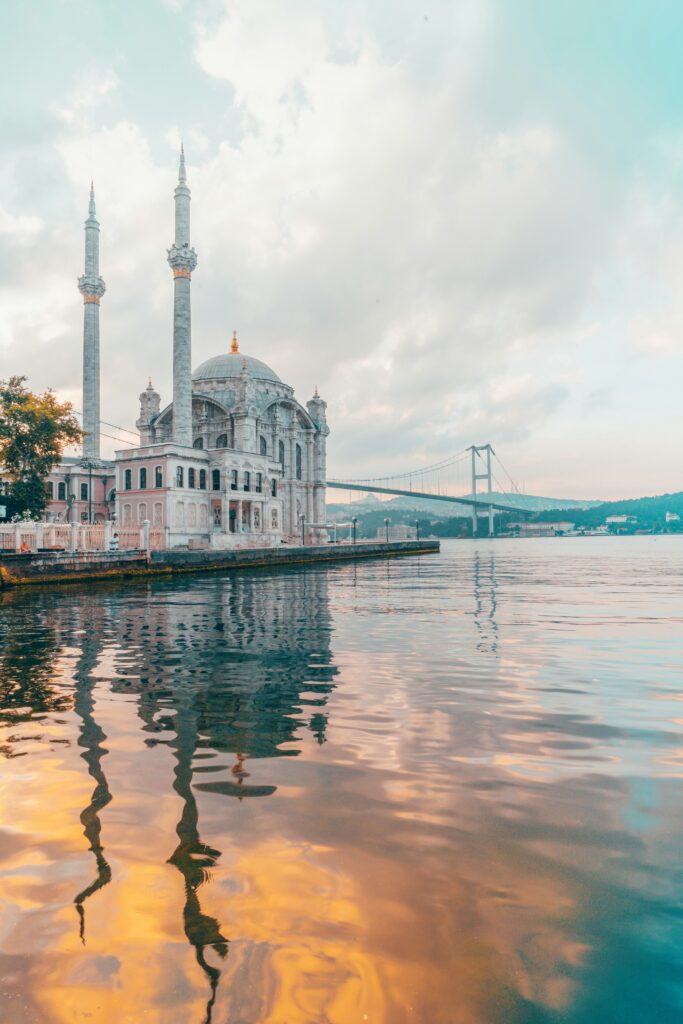
- Istanbul’s mosques
Evoke awe, which research links to:
- Reduced rumination
- Increased perspective
- Emotional softening
Practical example:
The Grand Bazaar is a sensory feast — and intense.
Plan a time-limited engagement:
- 20 minutes
- Focus on one sense (e.g., touch of textiles)
- Exit to the quiet courtyard of the nearby Rüstem Pasha Mosque
This turns exposure into empowerment.
3. Islamic and Sufi Spiritual Heritage
Islamic rhythm prayer times, ritual washing, poetry, humility offers:
- Predictable structure
- Meaning beyond the self
- Gentle grounding
Sufi teachings (Rumi, Mevlevi tradition) emphasize:
- Presence
- Love
- Embodiment
For many trauma survivors, this spirituality feels holding, not demanding.
Your Practices: The Toolkit in Action
Before Travel
- Practice grounding daily
- Rehearse boundary scripts
- Visualize safe places
- Pack sensory supports
During a Triggered Moment
- Orient to place and time “Whisper to yourself: “I am in the courtyard of the Blue Mosque. It is Tuesday morning. The sun is warm on my hands. I am safe right now” .
- Slow the exhale
- Move the body gently
- Reduce sensory input
- Remind yourself: “This is my nervous system, not danger.”
For Integration
- Journal sensations, not just events
- Keep a small ritual from Turkey (tea , prayer, walking pace)
- Share both breakthroughs and regressions in therapy
Healing is nonlinear , that’s normal.

Return and Integrate: Where Healing Becomes Lasting
The most important session is often the one after the trip.
Bring:
- Journal notes
- Photos
- Body sensations you remember
- Moments of surprise
Explore:
- What felt healing
- What felt hard
- What changed in how you see yourself
- What your body learned about safety
This is where travel becomes transformation, not just memory.
Conclusion: A Final Note of Hope
If your body has carried trauma for a long time, it makes sense that the world has felt overwhelming.
But when you understand your nervous system when you collaborate with your therapist life becomes more spacious, more meaningful, more alive.
Turkey is not just a destination.
It is an invitation:
- to slow down,
- to feel held by history,
- to experience beauty without urgency,
- and to remember that your body was never broken only protecting you.
With preparation, compassion, and partnership, this journey can help your nervous system learn something new:
That the world can be engaged with , and that you can meet it safely, curiously, and with hope.
If you’re planning your own healing journey, what’s one intention you’re setting? Share it with our community below.